
Limited time offers have become one of the most powerful psychological triggers in modern marketing, combining the principles of scarcity and urgency to accelerate purchasing decisions and boost conversion rates across all industries.

🎯 The Psychology Behind Time-Limited Promotions
The human brain is wired to respond to scarcity. When we perceive that something valuable might become unavailable, our desire for it intensifies dramatically. This phenomenon, known as the scarcity principle, was first documented by psychologist Robert Cialdini in his groundbreaking work on influence and persuasion.
Limited time offers tap into our fear of missing out, commonly known as FOMO. This emotional response triggers a sense of urgency that overrides our natural tendency to delay purchases. When customers believe they might lose an opportunity forever, they’re far more likely to act immediately rather than postponing their decision.
Research conducted by the Journal of Consumer Research shows that time-limited promotions can increase conversion rates by up to 332% compared to open-ended offers. The temporal constraint creates a psychological pressure that pushes hesitant buyers toward making a commitment.
How Our Brains Process Scarcity Signals
Neuroscience reveals that scarcity activates the amygdala, the part of our brain responsible for processing emotions and making quick decisions. When we encounter a limited time offer, our brain releases dopamine, creating a sense of excitement and urgency that can override rational decision-making processes.
This neurological response explains why even savvy consumers who recognize these tactics still find themselves influenced by well-executed limited time offers. The response is partially automatic and occurs before our conscious mind can fully evaluate the situation.
🔑 Strategic Framing: The Secret Weapon of Successful Offers
How you frame your limited time offer matters just as much as the offer itself. The language, visual presentation, and context surrounding your promotion can dramatically impact its effectiveness. Strategic framing transforms a simple discount into an irresistible opportunity.
Consider the difference between “20% off” and “Save $50 on your purchase today only.” While mathematically they might be equivalent, the second frame creates a stronger perception of value by emphasizing the concrete savings and adding temporal specificity.
The Power of Specific Deadlines
Vague timeframes like “limited time” or “while supplies last” are far less effective than specific deadlines. Research shows that concrete end times like “Ends tonight at midnight” or “24 hours remaining” create significantly more urgency and drive higher conversion rates.
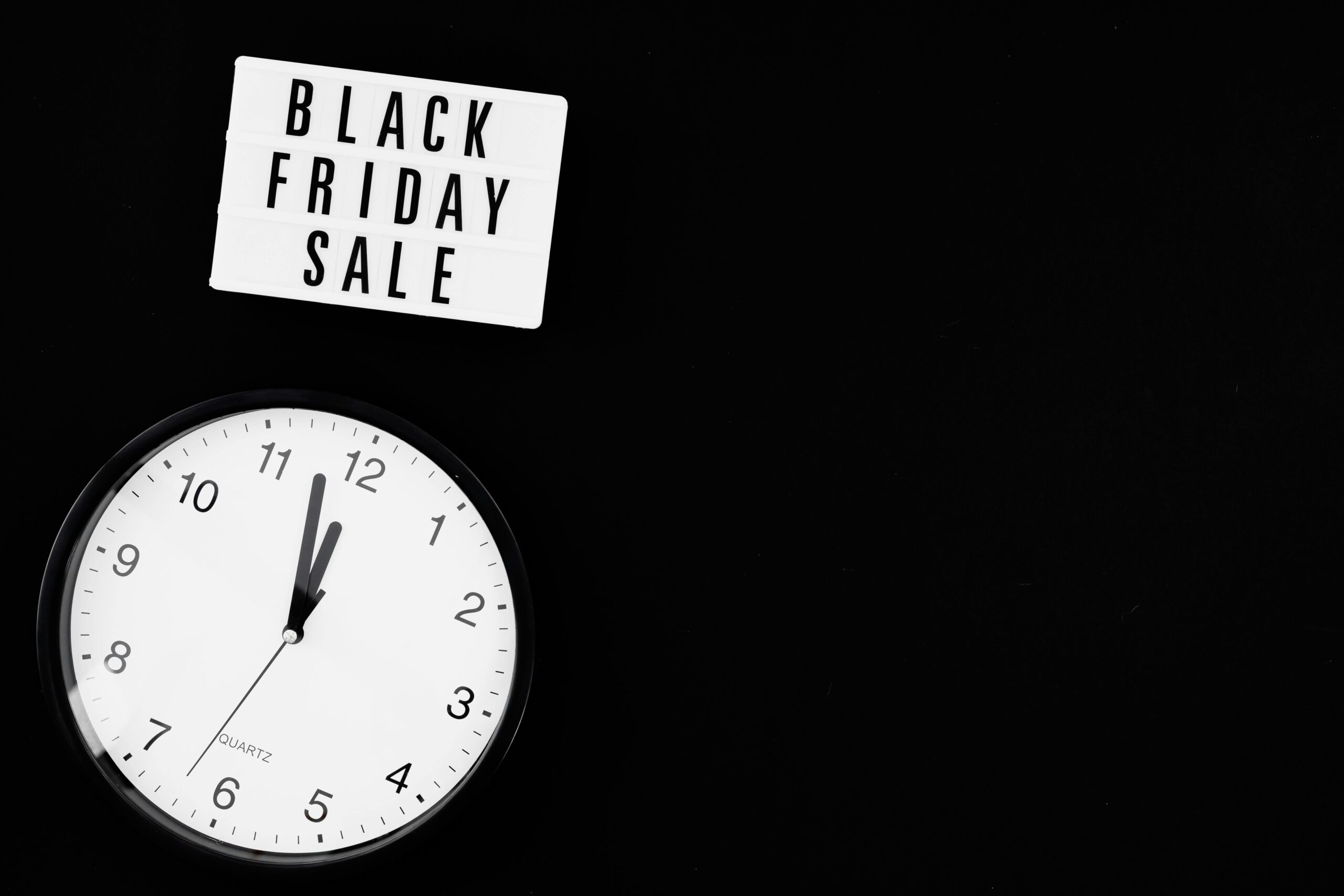
Using countdown timers on your website or in email campaigns provides a visual representation of scarcity that keeps the deadline front and center in customers’ minds. These dynamic elements serve as constant reminders that time is running out, reducing procrastination and encouraging immediate action.
Loss Aversion vs. Gain Framing
Behavioral economics teaches us that people are more motivated to avoid losses than to acquire equivalent gains. This principle, called loss aversion, should influence how you frame your limited time offers.
Instead of saying “Get 30% more,” try “Don’t lose out on 30% savings.” The loss-framed message typically generates stronger emotional responses and higher engagement rates. This subtle shift in language can make the difference between a successful campaign and a mediocre one.
💼 Types of Limited Time Offers That Drive Results
Not all limited time offers are created equal. Different approaches work better for different products, audiences, and business objectives. Understanding the variety of options available helps you select the most effective strategy for your specific situation.
Flash Sales and Lightning Deals
Flash sales typically last between a few hours to 48 hours, creating intense urgency and excitement. These short-duration promotions work exceptionally well for clearing inventory, generating immediate cash flow, or creating buzz around your brand. E-commerce giants like Amazon have built entire business models around flash deal events that drive massive traffic spikes.
The key to successful flash sales is promotion timing. Announce them with enough notice to build anticipation but not so far in advance that the urgency dissipates. Email campaigns sent 2-4 hours before a flash sale often generate optimal results.
Seasonal and Holiday Promotions
Holiday-themed limited time offers leverage existing consumer readiness to purchase. Black Friday, Cyber Monday, and Valentine’s Day promotions benefit from heightened shopping intent during these periods. However, the competitive landscape is also more crowded, requiring stronger differentiation to stand out.
Creating your own “holidays” or themed events can be equally effective. Amazon Prime Day and Singles’ Day in China demonstrate how brands can establish proprietary shopping events that generate massive sales volumes without competing directly during traditional holiday periods.
Early Bird and Pre-Launch Offers
Early bird pricing rewards customers who commit before a product launch or event. This approach works particularly well for digital products, courses, conferences, and subscription services. The combination of better pricing and exclusive access creates powerful motivation for early adopters.
Pre-launch offers also provide valuable market validation and generate working capital before full product release. This strategy reduces financial risk while building a community of invested customers who become brand advocates.
📊 Implementing Scarcity Without Damaging Trust
While scarcity tactics are highly effective, misuse can damage your brand reputation and erode customer trust. Authenticity and ethical implementation are essential for long-term success. Customers today are sophisticated and can recognize manipulative tactics.
Maintaining Authenticity in Your Offers
Never fabricate scarcity. If your limited time offer extends repeatedly or your “last chance” promotions occur monthly, customers will learn to ignore future offers and may lose trust in your brand entirely. Each time-limited promotion should be genuine and honored exactly as advertised.
Consider these authentic scarcity scenarios:
- Actual inventory limitations based on stock levels
- Time-bound production runs or seasonal availability
- Special partnerships or licensing agreements with genuine expiration dates
- Event-based promotions tied to real calendar dates
- Exclusive access for specific customer segments during defined windows
Transparency and Clear Communication
Be completely transparent about why your offer is limited. Explain whether it’s due to inventory constraints, special vendor agreements, promotional budgets, or other legitimate business reasons. This transparency builds trust while maintaining the urgency that drives conversions.
Avoid using dark patterns or deceptive countdown timers that reset when customers refresh the page. These manipulative tactics might generate short-term gains but inevitably lead to customer backlash, negative reviews, and long-term brand damage.
📱 Technology and Tools for Effective Limited Time Campaigns
Modern marketing technology provides sophisticated tools for creating, managing, and optimizing limited time offers. Email marketing platforms, e-commerce plugins, and specialized countdown timer software enable seamless implementation across multiple channels.
Email automation platforms allow you to schedule sequential campaigns that build anticipation, announce the offer, send reminders as the deadline approaches, and deliver final “last chance” messages. These automated sequences maximize engagement while minimizing manual effort.
Dynamic Pricing and Personalization
Advanced e-commerce platforms now enable dynamic pricing based on user behavior, inventory levels, and competitive factors. Personalized limited time offers tailored to individual customer segments typically outperform generic promotions by significant margins.
Using customer data to create targeted offers based on browsing history, past purchases, or demographic information increases relevance and conversion probability. A returning customer who abandoned their cart might receive a time-limited discount specifically on those items, while a first-time visitor sees a welcome offer.
📈 Measuring Success and Optimizing Performance
Data-driven optimization separates good limited time offer strategies from exceptional ones. Tracking the right metrics helps you understand what works, identify areas for improvement, and continuously refine your approach for better results.
Key Performance Indicators to Monitor
Conversion rate represents the percentage of people exposed to your offer who complete a purchase. This primary metric reveals the overall effectiveness of your promotion. However, focusing exclusively on conversion rate without considering other factors can lead to suboptimal decisions.
Average order value indicates whether customers are simply taking advantage of discounts or if your promotion encourages larger purchases. The most successful limited time offers often increase both conversion rates and order values simultaneously.
Customer acquisition cost must remain lower than customer lifetime value for sustainable growth. While limited time offers often reduce profit margins on initial purchases, they can be profitable when they attract customers who make repeat purchases at full price.
A/B Testing for Continuous Improvement
Systematic testing of different elements helps identify what resonates most effectively with your audience. Test variables like offer duration, discount percentage, messaging frameworks, visual design, and promotion channels to discover optimal combinations.
Test one variable at a time to isolate what specifically drives performance changes. For example, compare a 24-hour flash sale against a 48-hour sale while keeping all other elements constant. This disciplined approach produces actionable insights rather than ambiguous results.
🎨 Creative Execution That Captures Attention
Even the most strategically sound limited time offer will fail if it doesn’t capture attention in crowded digital environments. Creative execution determines whether your promotion gets noticed or ignored among countless competing messages.
Visual Design Elements That Drive Urgency
Color psychology plays a significant role in communicating urgency. Red and orange hues create a sense of excitement and immediacy, while countdown timers add dynamic visual interest that draws the eye. However, ensure your design choices align with your overall brand aesthetic to maintain consistency.
White space and clean layouts help your time-limited offer stand out rather than getting lost in cluttered designs. The most effective promotional graphics direct attention to the key elements: what’s being offered, the value proposition, and the deadline.
Compelling Copywriting Techniques
Action-oriented language creates momentum toward purchase. Use strong verbs like “grab,” “claim,” “secure,” or “lock in” rather than passive phrases. The words you choose should reinforce both the value of the offer and the urgency of acting now.
Specificity increases credibility and impact. Instead of “huge savings,” try “save exactly $127.” Precise numbers feel more authentic and create a clearer mental picture of the benefit customers will receive.
🌟 Building Long-Term Strategy Around Time-Limited Promotions
While individual limited time offers drive short-term sales spikes, the greatest value comes from integrating them into a comprehensive marketing strategy that builds sustainable growth over time. Strategic planning ensures you’re not just creating random promotions but building a coordinated approach.
Creating a Promotional Calendar
Plan your limited time offers months in advance, aligning them with your business objectives, seasonal trends, inventory cycles, and customer behavior patterns. A well-constructed promotional calendar prevents offer fatigue while ensuring you capitalize on key opportunities throughout the year.
Space your promotions strategically to maintain their effectiveness. If customers expect constant discounts, they’ll simply wait for the next offer rather than purchasing at full price. Finding the right balance between promotional frequency and regular-price sales is crucial for healthy margins.
Segmentation and Tiered Offers
Not all customers should receive the same limited time offers. Segment your audience based on purchase history, engagement level, and customer lifetime value to create tiered promotions that maximize profitability while maintaining broad appeal.
Your most loyal customers might receive exclusive early access to sales, while new visitors get first-purchase discounts. This segmented approach ensures you’re investing promotional dollars where they’ll generate the highest returns rather than applying blanket discounts that reduce margins unnecessarily.
💡 Advanced Tactics for Sophisticated Marketers
Once you’ve mastered fundamental limited time offer strategies, advanced tactics can provide additional competitive advantages. These sophisticated approaches require more complex implementation but often generate outsized returns.
Scarcity Layering and Combined Triggers
Combining multiple scarcity triggers simultaneously creates compounding urgency. For example, “Only 5 items remaining – sale ends in 3 hours” layers quantity scarcity with time scarcity for maximum psychological impact. This technique works particularly well for high-consideration purchases where customers need extra motivation to overcome buying hesitation.
Social proof elements like “127 people viewing this offer right now” or “43 purchased in the last hour” add another dimension of scarcity by suggesting that others recognize the value and are acting quickly. This bandwagon effect encourages fence-sitters to make decisions faster.
Post-Promotion Strategy
What happens after your limited time offer ends is just as important as the promotion itself. Customers who missed the deadline represent a valuable audience for future offers. Send them targeted messages acknowledging they missed the promotion while providing alternative value or notification options for future offers.
For customers who purchased during the promotion, focus on delivering exceptional post-purchase experiences that encourage positive reviews and repeat business. The reduced margin on promotional purchases becomes profitable when those customers return at full price or refer others to your business.
🚀 Transforming Urgency Into Sustainable Growth
The most successful businesses use limited time offers not as desperate measures to move inventory but as strategic tools within a larger growth framework. When implemented thoughtfully, these promotions attract new customers, reactivate dormant accounts, and create excitement that extends beyond the immediate sales period.
The key to long-term success lies in balancing promotional activity with brand value. Your products and services must deliver genuine value that justifies full pricing. Limited time offers should feel like special opportunities rather than the only time your offerings become reasonably priced.
Building anticipation for future promotions creates a engaged audience ready to act when you launch new offers. Teasing upcoming sales through email newsletters and social media keeps your brand top-of-mind without constant discounting. This anticipation builds community and transforms ordinary promotions into events that customers look forward to.
As consumer behavior continues evolving and digital marketing becomes increasingly sophisticated, the fundamental psychology behind limited time offers remains constant. Scarcity and urgency will always motivate human decision-making. Your ability to ethically harness these principles while delivering authentic value determines whether your limited time offers generate sustainable competitive advantages or become ignored noise in crowded marketplaces.
The businesses that thrive in today’s environment master the delicate balance between creating genuine urgency and maintaining customer trust. They use data to optimize performance, creativity to capture attention, and authenticity to build lasting relationships that extend far beyond any single promotion.