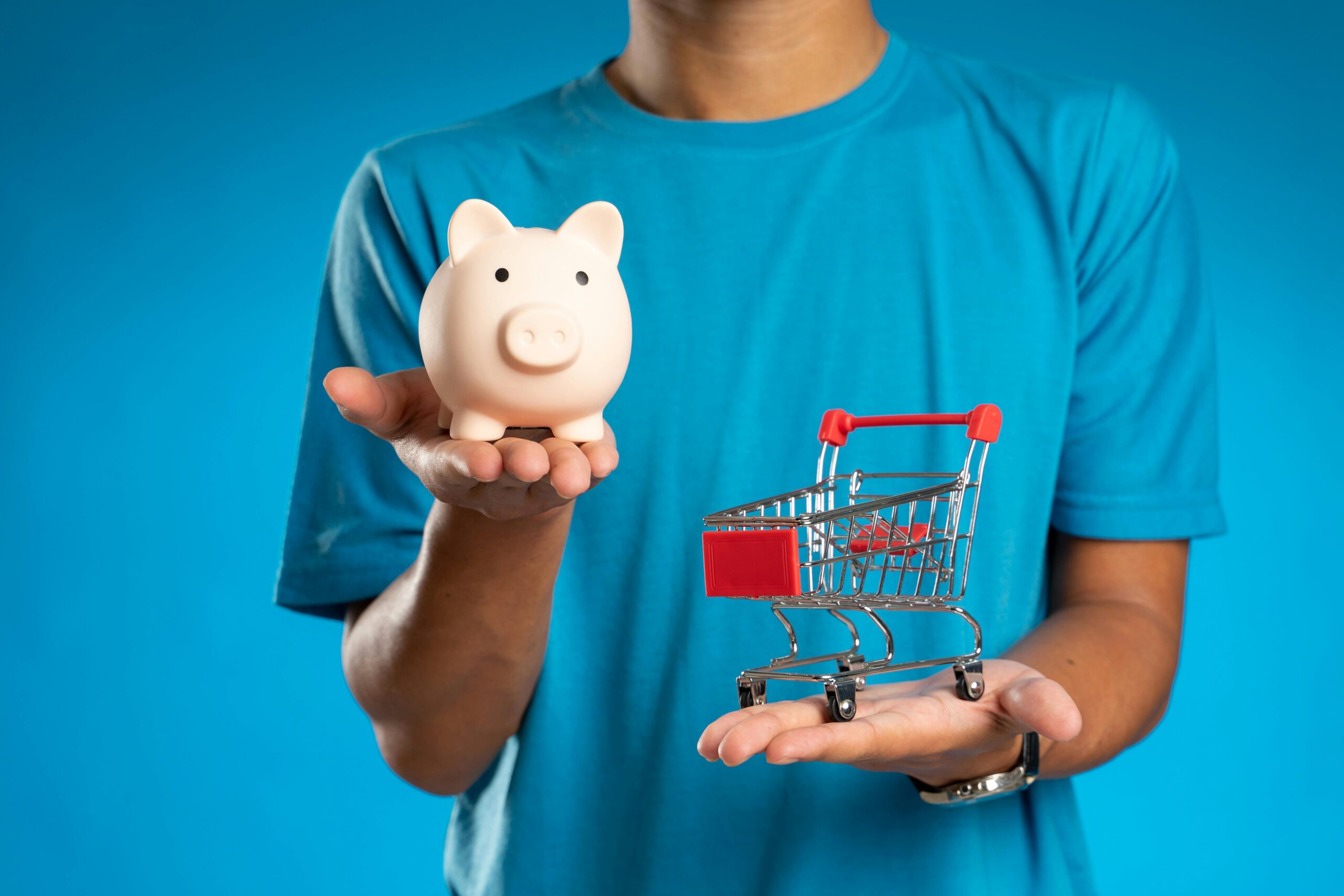
Free shipping thresholds have become one of the most powerful psychological triggers in e-commerce, transforming casual browsers into committed buyers through strategic pricing psychology.

🧠 The Psychological Foundation of Free Shipping Thresholds
When consumers encounter a message like “Add $15 more to get free shipping,” something remarkable happens in their brain. This simple statement activates multiple psychological mechanisms simultaneously, creating a powerful motivation to increase cart value. The phenomenon isn’t just about saving money—it’s about the perception of winning, avoiding loss, and achieving completion.
The effectiveness of free shipping thresholds stems from several cognitive biases working in concert. First, there’s the perception of “free” as inherently valuable, even when the cost is built into the pricing structure elsewhere. Second, the threshold creates a specific goal, which humans are psychologically wired to complete. Third, it triggers loss aversion—the pain of paying for shipping feels more acute than the pleasure of saving that same amount.
Research in behavioral economics consistently shows that consumers make irrational decisions when “free” enters the equation. Dan Ariely’s famous experiments demonstrated that people will go to extraordinary lengths to obtain something free, even when it doesn’t represent the best value. This phenomenon, known as the “zero price effect,” explains why shoppers will add unnecessary items to their cart just to qualify for free shipping.
💰 The Economics Behind the Threshold Strategy
Setting the right free shipping threshold requires a delicate balance between psychology and profitability. Retailers must calculate their average order value (AOV), shipping costs, profit margins, and customer acquisition costs to determine the optimal threshold that maximizes both conversions and revenue.
Most successful e-commerce businesses set their free shipping threshold approximately 30% above their current average order value. This positioning is strategic—it’s high enough to encourage customers to add more items, but not so high that it feels unattainable. A threshold that’s too low leaves money on the table, while one that’s too high can discourage purchases altogether.
The mathematical beauty of this strategy reveals itself in the numbers. If your AOV is $50 and you set a free shipping threshold at $65, you’re encouraging customers to spend 30% more. Even after absorbing shipping costs, the increased revenue typically outweighs the expense, especially when considering the improved customer satisfaction and reduced cart abandonment rates.
Finding Your Sweet Spot 🎯
Determining the perfect threshold involves analyzing several key metrics from your business data. Start by examining your order value distribution—not just the average, but the median and mode as well. Understanding where most orders cluster helps identify natural price points where customers are comfortable spending.
Consider segmenting your analysis by customer type, product category, and season. New customers might respond differently to thresholds than repeat buyers. High-margin product categories can support lower thresholds, while low-margin items might require higher minimums to maintain profitability.
🎭 The Theater of Progressive Disclosure
The most sophisticated retailers don’t just set a threshold—they create a narrative journey. Progressive disclosure of shipping costs and threshold proximity turns shopping into an engaging experience rather than a transactional exchange.
When a customer adds their first item to the cart, they might see: “You’re $50 away from free shipping!” This initial message plants the seed. As they continue shopping and add a second item, the message updates: “Only $25 more for free shipping!” The decreasing distance creates momentum and investment. By the time they’re within $10, the psychological pull becomes almost irresistible.
This progressive approach leverages the goal gradient effect—a psychological phenomenon where people accelerate their efforts as they get closer to a goal. Marathon runners speed up as they approach the finish line, and shoppers become more motivated to add items as they near the free shipping threshold.
Visual Cues That Convert 📊
The presentation of threshold progress significantly impacts its effectiveness. Progress bars that fill up as customers approach the threshold create visual satisfaction and clear feedback. Color psychology plays a role too—using red or orange when far from the threshold and transitioning to green as they approach it triggers emotional responses.
Strategic placement of these threshold indicators matters enormously. Displaying them in the mini-cart dropdown, on product pages, in the checkout flow, and even in the header creates consistent reinforcement. Each touchpoint serves as a gentle reminder and motivation to reach the goal.
🔄 The Reciprocity Principle in Action
Free shipping thresholds also activate the principle of reciprocity—a fundamental social psychology concept where people feel obligated to return favors. When a retailer offers free shipping, customers perceive it as receiving something valuable, creating an unconscious desire to reciprocate by making a purchase or increasing their order size.
This perceived generosity builds brand affinity and trust. Even though the cost of shipping is economically embedded in the business model, the framing as “free” creates goodwill. Customers remember brands that “gave” them free shipping, fostering loyalty and repeat purchases.
The reciprocity effect intensifies when combined with personalization. Showing returning customers how close they are to free shipping based on their browsing history or previous purchases creates a tailored experience that feels considerate rather than manipulative.
⚡ The Urgency and Scarcity Connection
While free shipping thresholds alone are powerful, combining them with urgency and scarcity multipliers amplifies their effectiveness exponentially. Limited-time free shipping offers create temporal pressure, while inventory scarcity on threshold-qualifying items triggers fear of missing out (FOMO).
Messages like “Free shipping on orders over $75 ends tonight!” or “Only 2 left in stock—add to cart to reach free shipping!” create a perfect storm of psychological triggers. The threshold provides direction, urgency demands action, and scarcity suggests exclusivity.
However, this combination requires careful execution. Overusing urgency tactics can breed distrust and banner blindness. The most effective implementations rotate these techniques strategically, ensuring they remain impactful rather than becoming background noise.
Seasonal Threshold Adjustments 🎄
Savvy retailers adjust their free shipping thresholds seasonally to align with shopping behaviors and expectations. During holiday seasons when customers are already predisposed to larger purchases, slightly raising thresholds can capture additional revenue without significantly impacting conversion rates.
Conversely, during slower periods, temporarily lowering thresholds or offering unconditional free shipping can stimulate demand and clear inventory. This dynamic approach recognizes that consumer psychology fluctuates with external factors, and rigid strategies miss opportunities.
📱 Mobile Shopping and Threshold Psychology
The mobile shopping experience amplifies threshold psychology in unique ways. The smaller screen real estate makes threshold indicators more prominent and impossible to ignore. Mobile shoppers also tend to make more impulsive decisions, making them particularly susceptible to the pull of free shipping thresholds.
Mobile-optimized threshold displays should be sticky—remaining visible as users scroll through product pages. The reduced friction of mobile payments combined with visible progress toward free shipping creates a streamlined path from browsing to purchasing.
Push notifications can extend threshold psychology beyond active shopping sessions. Abandoned cart reminders that highlight how close customers were to free shipping bring them back with a clear goal. Messages like “You’re just $12 away from free shipping on your saved items!” provide specific, actionable motivation.
🧩 The Anchoring Effect and Price Perception
Free shipping thresholds serve as powerful anchors that influence how customers perceive value throughout their shopping experience. When presented with a $75 threshold, that number becomes a reference point that shapes subsequent decisions.
Products priced near the threshold amount needed to qualify gain additional appeal because they efficiently close the gap. A customer needing $20 more for free shipping will find a $22 item more attractive than a $15 item, even if the cheaper option better meets their needs. The threshold has anchored their decision-making around reaching that specific goal.
This anchoring extends to how customers evaluate the shipping cost itself. A $6 shipping fee seems unreasonable when they’re only $8 away from avoiding it, even though $6 might be below the actual shipping cost. The threshold reframes the shipping charge from a service fee into an avoidable penalty.
Tiered Thresholds for Sophisticated Segmentation 🎚️
Advanced implementations use multiple threshold tiers to capture different customer segments. A basic tier might offer standard free shipping at $50, while a premium tier at $100 includes expedited shipping. This structure caters to varying customer needs and willingness to spend.
Tiered approaches also create additional milestone moments throughout the shopping journey. Reaching the first tier provides satisfaction and achievement, while the premium tier becomes an aspirational goal. Some customers who never intended to spend $100 find themselves pursuing that higher threshold after achieving the first.
💡 Personalization and Dynamic Thresholds
The future of free shipping thresholds lies in personalization powered by data and artificial intelligence. Rather than applying a universal threshold, sophisticated systems can adjust thresholds based on individual customer behavior, lifetime value, geographic location, and predictive models.
High-value customers might see lower thresholds as a loyalty reward, while new customers might encounter slightly higher thresholds aligned with acquisition economics. Geographic personalization accounts for varying shipping costs—customers in remote areas might have higher thresholds to offset increased logistics expenses.
Machine learning algorithms can test and optimize thresholds in real-time, identifying patterns in conversion behavior and automatically adjusting to maximize desired outcomes. This dynamic approach ensures thresholds remain effective as market conditions and customer expectations evolve.
🎯 Implementation Best Practices That Drive Results
Successful threshold implementation requires more than simply setting a number. The communication strategy, visual design, and integration across the customer journey determine whether the psychological triggers activate effectively.
Transparency builds trust. Clearly explain the threshold amount and what qualifies. Ambiguity creates friction and frustration. Use simple language: “Add $X more to get free shipping” is universally understood and immediately actionable.
Make qualification easy. Provide product recommendations specifically chosen to help customers reach the threshold. These suggestions should be relevant to their current cart contents—complementary items that genuinely add value rather than random products.
Test relentlessly. A/B testing different threshold amounts, messaging variations, visual presentations, and placement strategies reveals what resonates with your specific audience. What works for one brand or product category may not translate to another.
Common Pitfalls to Avoid ⚠️
Setting thresholds too high represents the most common mistake. While ambition to increase AOV is understandable, unrealistic thresholds simply frustrate customers without delivering results. If most customers ignore your threshold, it’s ineffective regardless of the theoretical economics.
Hiding shipping costs until late in the checkout process, then presenting the threshold as the only escape, breeds resentment. This manipulative approach might generate short-term conversions but damages long-term brand reputation and customer relationships.
Inconsistent threshold policies across channels confuse customers. If your website offers free shipping at $50 but your mobile app requires $75, customers feel deceived. Omnichannel consistency reinforces trust and makes the threshold feel like a genuine benefit rather than an arbitrary rule.
🌟 The Emotional Reward of Threshold Achievement
Reaching a free shipping threshold delivers a dopamine hit—a small but genuine pleasure response in the brain. This neurochemical reward reinforces the behavior, making customers more likely to pursue thresholds in future shopping sessions.
Smart retailers amplify this moment of achievement through celebratory messaging and visual feedback. When the threshold is reached, display enthusiastic confirmation: “Congratulations! You’ve earned free shipping!” This celebration validates the customer’s decision and creates positive emotional associations with the brand.
The achievement also provides social proof justification. Customers can rationalize their increased spending as smart shopping—they “saved” on shipping. This self-narrative makes them feel savvy rather than impulsive, protecting their self-image while encouraging higher spending.
🔮 Future Trends in Threshold Psychology
As e-commerce evolves, free shipping threshold strategies are becoming more sophisticated and integrated with broader loyalty and retention programs. Subscription models that include free shipping regardless of order size represent one evolution, trading threshold psychology for commitment and predictable revenue.
Gamification elements are emerging, where reaching thresholds earns points, badges, or unlocks exclusive access. These additional rewards layer onto the free shipping benefit, creating multiple psychological motivators working synergistically.
Sustainability messaging is being woven into threshold strategies. Some brands frame higher thresholds as environmental responsibility—consolidating orders into fewer shipments reduces carbon footprint. This approach appeals to values-driven consumers who appreciate the ecological justification alongside the economic benefit.
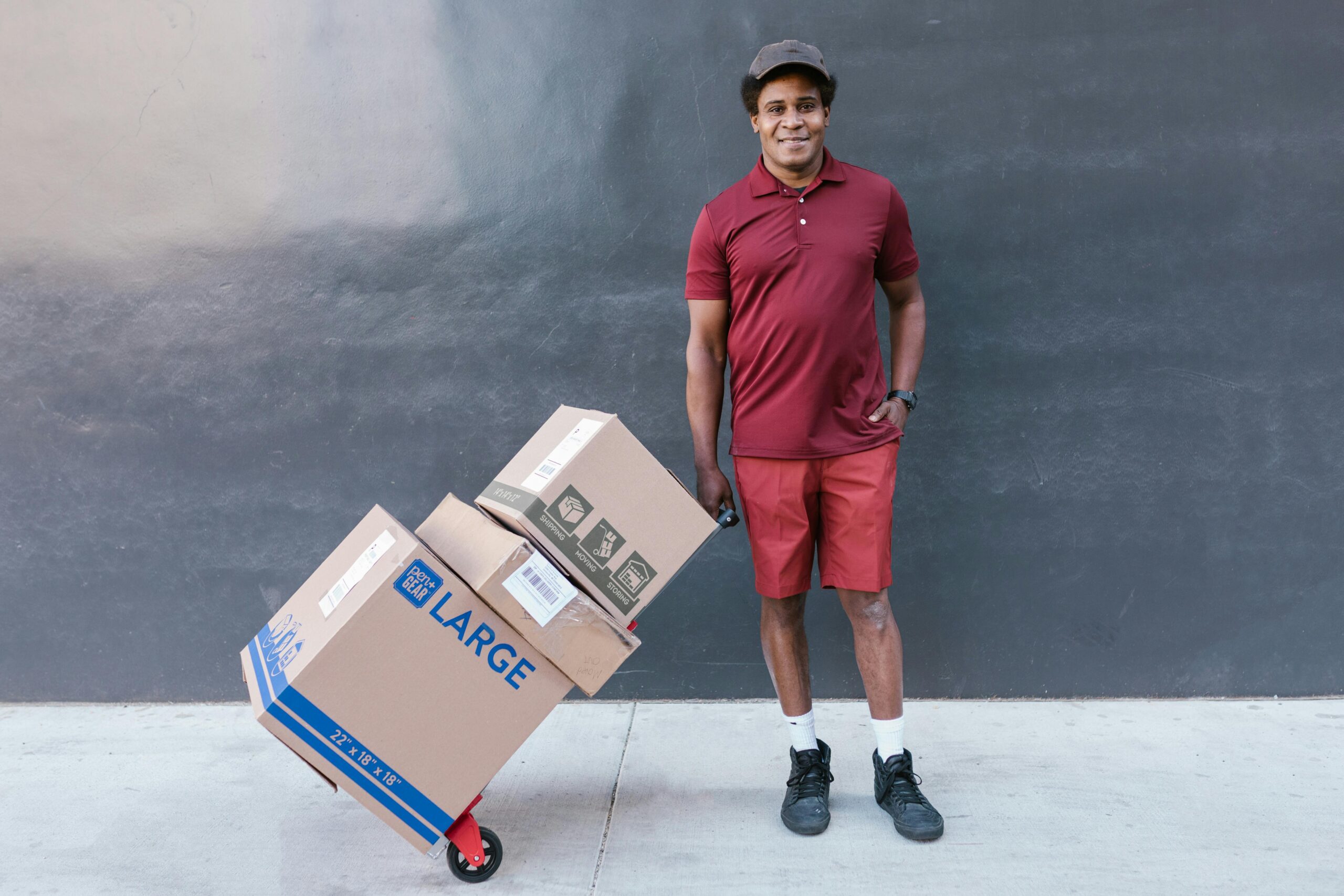
🚀 Transforming Browsers Into Buyers
The power of free shipping thresholds extends far beyond simple economics. These strategically set numbers tap into fundamental aspects of human psychology—our desire for free things, our drive to complete goals, our aversion to loss, and our need for achievement.
When implemented thoughtfully, thresholds transform the shopping experience from a series of isolated transactions into an engaging journey with clear objectives and rewarding milestones. They provide structure and purpose to browsing behavior, channeling undirected interest into committed purchasing.
The most successful retailers recognize that threshold psychology isn’t about manipulation—it’s about alignment. By setting thresholds that genuinely benefit both business and customer, creating transparent communication, and delivering on the implied promise, brands build trust while increasing revenue.
As consumer expectations continue to evolve and competition intensifies, mastering the psychological nuances of free shipping thresholds has transitioned from optional optimization to essential strategy. Those who understand and harness these principles effectively will continue to unlock consumer behavior and thrive in the competitive e-commerce landscape.