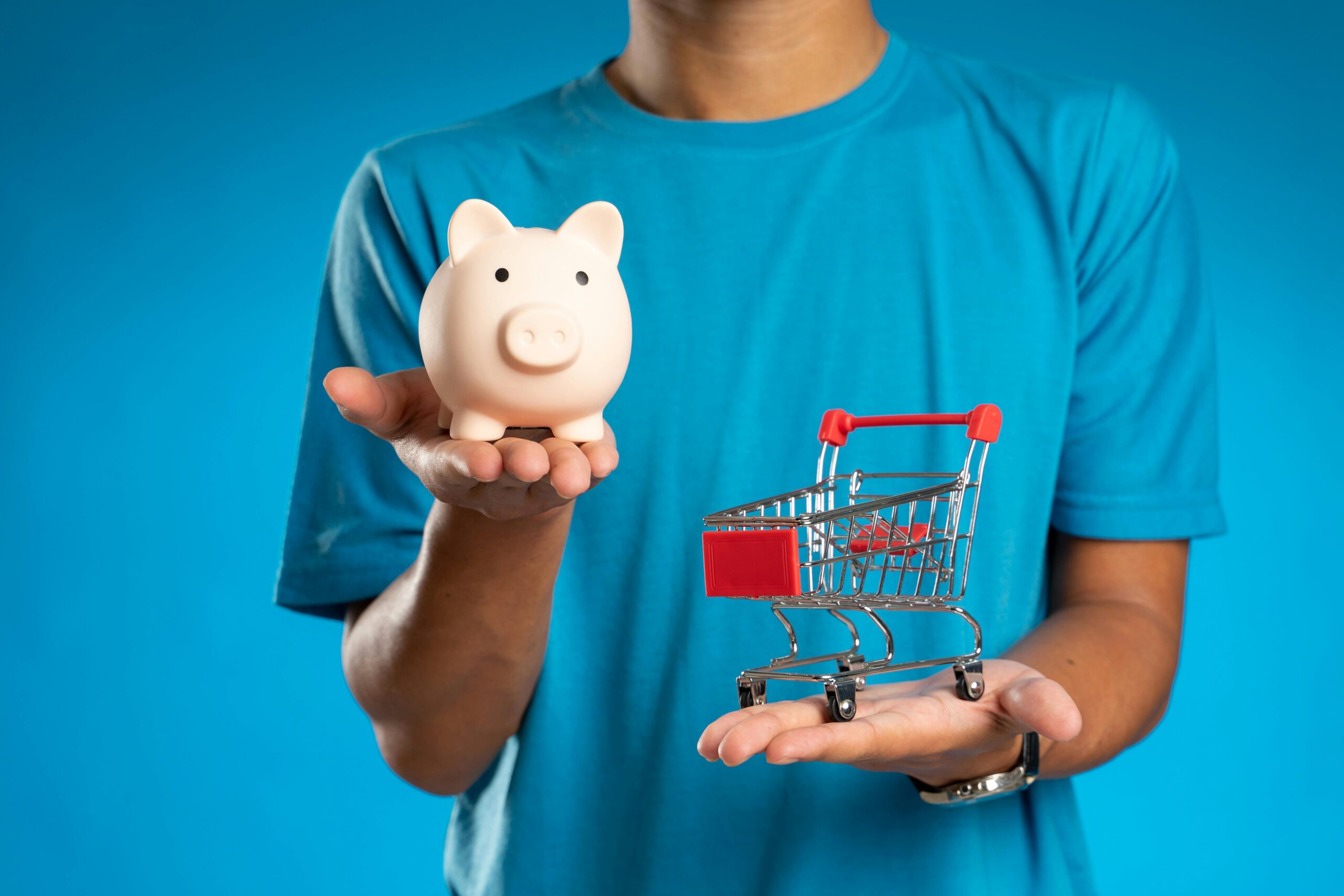
Impulse purchases represent a goldmine for businesses willing to master the art and science of consumer psychology. Understanding what triggers these spontaneous buying decisions can transform your revenue stream overnight.

🧠 Understanding the Psychology Behind Impulse Buying
The impulse purchase phenomenon isn’t random—it’s a carefully orchestrated dance between emotion and opportunity. Research shows that approximately 40-80% of all purchases have an impulsive component, making this a critical area for businesses to understand and leverage effectively.
Impulse buying occurs when consumers make unplanned purchases driven by emotional triggers rather than logical necessity. These decisions bypass the rational decision-making process, creating opportunities for brands that know how to position themselves at the right moment with the right message.
The brain’s reward system plays a crucial role in these snap decisions. When we see something appealing, dopamine floods our neural pathways, creating feelings of excitement and anticipation. This neurochemical response can override our logical thinking, making us vulnerable to well-crafted marketing strategies that capitalize on these emotional states.
📊 Modeling Strategies That Drive Spontaneous Purchases
Effective impulse purchase modeling requires a multi-faceted approach that combines data analytics, behavioral psychology, and strategic positioning. The most successful retailers use predictive modeling to identify which customers are most likely to make impulsive decisions and when.
The Scarcity Framework
Creating urgency through scarcity is one of the oldest yet most effective modeling strategies. Limited-time offers, countdown timers, and “only X items left” notifications trigger the fear of missing out (FOMO), pushing consumers toward immediate action without extensive deliberation.
This strategy works because our brains are hardwired to value scarce resources more highly than abundant ones. When we perceive that an opportunity might disappear, our decision-making process accelerates, making us more susceptible to impulse purchases.
Social Proof Modeling
Humans are inherently social creatures who look to others for behavioral cues. Incorporating social proof into your sales strategy—through customer reviews, testimonials, “bestseller” badges, or real-time purchase notifications—creates a bandwagon effect that encourages spontaneous buying.
The power of social proof lies in its ability to reduce perceived risk. When consumers see that others have made similar purchases and are satisfied, it lowers the psychological barrier to making an unplanned purchase themselves.
💳 Strategic Product Placement and Visual Merchandising
Where and how you display products significantly impacts impulse purchase rates. Both physical and digital environments benefit from strategic placement that capitalizes on natural customer flow patterns and visual attention hierarchies.
In brick-and-mortar stores, checkout lanes traditionally serve as impulse purchase hotspots. Small, inexpensive items positioned within arm’s reach while customers wait create perfect opportunities for last-minute additions. Digital equivalents include “recommended products,” “frequently bought together” sections, and exit-intent popups.
The Power of Eye-Level Positioning
Products placed at eye level receive 35% more attention than those on higher or lower shelves. This principle applies equally to webpage design, where content “above the fold” (visible without scrolling) generates significantly higher engagement and conversion rates.
Color psychology also plays a fundamental role. Warm colors like red and orange create excitement and urgency, while cooler tones can communicate trustworthiness and value. Strategic use of contrasting colors for call-to-action buttons can increase click-through rates by up to 21%.
🎯 Personalization Through Data Analytics
Modern impulse purchase strategies rely heavily on data-driven personalization. By analyzing browsing history, past purchases, and demographic information, businesses can present highly targeted offers that feel personally relevant to each customer.
Machine learning algorithms can predict with remarkable accuracy which products individual customers are most likely to purchase impulsively. These predictions enable businesses to create personalized shopping experiences that feel intuitive while strategically encouraging spontaneous purchases.
Behavioral Segmentation Models
Not all customers have the same impulse buying tendencies. Segmenting your audience based on behavioral patterns allows for targeted strategies that respect individual shopping styles while maximizing conversion opportunities.
- High-frequency impulse buyers respond well to regular flash sales and exclusive early-access opportunities
- Occasional impulse buyers need stronger triggers like significant discounts or compelling social proof
- Rational buyers can be converted through strategic framing that emphasizes value and practical benefits
- Emotional buyers respond to storytelling and lifestyle imagery that creates aspirational connections
⚡ Creating Frictionless Purchase Pathways
Every additional step between desire and purchase represents an opportunity for rational thinking to override impulse. The most effective modeling strategies minimize friction by streamlining the buying process to its absolute essentials.
One-click purchasing options have revolutionized impulse buying in digital spaces. By storing payment information and shipping addresses, platforms eliminate the time delay that often allows second thoughts to creep in. This convenience factor has been shown to increase conversion rates by 35% or more.
Mobile Optimization Is Non-Negotiable
With mobile devices accounting for over 70% of online shopping traffic, mobile optimization directly impacts impulse purchase potential. Slow-loading pages or clunky mobile interfaces introduce friction that kills spontaneous buying decisions.
Mobile users expect instant gratification. Pages that load in under two seconds convert at significantly higher rates than slower alternatives. Additionally, mobile-friendly payment options like digital wallets and biometric authentication reduce barriers to completion.
🛍️ The Bundle Strategy for Increased Cart Values
Product bundling leverages the perception of added value to encourage larger impulse purchases. When customers believe they’re getting a deal by purchasing multiple items together, they’re more likely to make unplanned purchases that exceed their original intentions.
The key to effective bundling lies in creating combinations that feel logical and valuable. Complementary products naturally work together, making the bundle seem like a smart decision rather than a sales tactic. “Complete the look” suggestions in fashion retail or “accessories for your device” in electronics exemplify this approach.
Threshold Psychology
Free shipping thresholds are particularly effective at driving impulse purchases. When customers see they’re only $10 away from free shipping, they’re highly motivated to find additional items to meet that threshold, often adding products they hadn’t originally planned to buy.
| Strategy | Average Cart Value Increase | Implementation Difficulty |
|---|---|---|
| Free Shipping Threshold | 25-30% | Low |
| Product Bundling | 20-25% | Medium |
| Tiered Discounts | 15-20% | Medium |
| Limited-Time Bundles | 30-35% | High |
🎨 Emotional Triggers and Storytelling
Logic makes people think, but emotion makes them act. The most effective impulse purchase modeling strategies tap into emotional triggers that bypass rational decision-making processes. Creating narratives around products transforms them from mere objects into solutions, experiences, or identity statements.
Storytelling connects products to aspirational lifestyles or solves emotional problems. A fitness product isn’t just equipment—it’s the key to confidence, health, and transformation. A luxury item isn’t just expensive—it’s a reward for hard work and a symbol of achievement.
Nostalgia as a Conversion Tool
Nostalgia is an extraordinarily powerful emotional trigger. Products that evoke positive memories from the past create instant emotional connections that facilitate impulse purchases. Limited edition retro packaging or throwback product lines tap into this psychological mechanism effectively.
This strategy works because nostalgia temporarily lowers critical thinking while increasing positive emotions. When we’re reminded of happy times, we’re more open to purchases that promise to recapture those feelings.
💰 Price Psychology and Perceived Value
How you present pricing significantly influences impulse purchase decisions. Charm pricing (ending prices in .99 or .97) remains effective because our brains process these prices as significantly lower than they actually are. $19.99 feels psychologically closer to $15 than to $20, even though it’s only one cent different.
Anchoring strategies present higher-priced options first, making subsequent options seem more reasonable by comparison. When customers see a $500 product followed by a $200 product, the latter feels like a bargain, even if it’s still more expensive than they originally intended to spend.
The Decoy Effect
Introducing a strategically priced decoy option can steer customers toward higher-value purchases. When three options are presented—a small, a medium (priced disproportionately close to large), and a large—most customers choose the large option because it offers the best perceived value.
This pricing model works because consumers rarely know the absolute value of products. Instead, they rely on relative comparisons between available options, allowing savvy businesses to frame choices in ways that encourage specific purchasing behaviors.
📱 Leveraging Technology for Real-Time Engagement
Modern technology enables unprecedented opportunities for triggering impulse purchases through real-time engagement. Push notifications, abandoned cart reminders, and browsing-based retargeting keep products top-of-mind when customers are most receptive to purchasing.
Artificial intelligence and chatbots can now engage customers at critical decision points, answering questions and addressing concerns that might otherwise prevent impulse purchases. This instant support removes barriers while maintaining the momentum of spontaneous buying decisions.
Gamification Elements
Incorporating game-like elements into the shopping experience taps into our natural desire for achievement and reward. Spin-to-win discount wheels, progress bars toward rewards, and surprise mystery offers create excitement that encourages impulsive spending.
These gamification strategies work by triggering the same dopamine responses associated with actual gaming, creating positive associations with the purchasing process itself. The anticipation and surprise elements make shopping entertaining rather than purely transactional.
🌟 Building Trust While Encouraging Spontaneity
Paradoxically, building long-term trust is essential for maximizing impulse purchase potential. Customers who trust your brand feel more comfortable making spontaneous purchases because they’re confident in product quality and customer service.
Transparent return policies, secure payment processing, and responsive customer support all reduce the perceived risk of impulse purchases. When customers know they can easily return products if needed, they’re much more willing to make unplanned purchases.
User-Generated Content as Authenticity Signals
Authentic customer photos, unboxing videos, and genuine reviews provide social proof while building trust. This user-generated content feels more reliable than branded marketing materials, making customers more comfortable with spontaneous buying decisions.
Encouraging and showcasing this content creates a virtuous cycle where satisfied customers inspire new impulse purchases, which generate more user content, further reducing barriers for future customers.
🔄 The Subscription Model Advantage
Subscription models represent a unique approach to impulse purchasing by transforming one-time spontaneous decisions into recurring revenue streams. The initial impulse to try a subscription service can lead to months or years of continued purchases.
The psychology behind successful subscriptions combines convenience with the sunk cost fallacy. Once customers subscribe, they’re less likely to cancel because they’ve already committed, and the automated nature means they don’t have to make repeated purchase decisions.
✨ Turning First-Time Impulse Buyers into Loyal Customers
The ultimate goal isn’t just triggering a single impulse purchase but converting that spontaneous decision into the beginning of a customer relationship. Post-purchase engagement strategies that exceed expectations turn impulsive buyers into brand advocates.
Personalized thank-you messages, unexpected bonuses, and exceptional unboxing experiences create positive memories associated with the brand. These experiences increase the likelihood of repeat purchases while generating word-of-mouth marketing that attracts new customers.
Follow-up communications should strike a balance between staying relevant and avoiding annoyance. Timely product recommendations based on the initial impulse purchase can trigger additional spontaneous buying while feeling helpful rather than pushy.
🚀 Measuring and Optimizing Your Impulse Purchase Strategies
Continuous improvement requires rigorous measurement of which modeling strategies actually drive results. Key performance indicators should include impulse purchase rates, average order values, conversion rates at different touchpoints, and customer lifetime value originating from impulse purchases.
A/B testing different approaches allows data-driven optimization. Testing variations in product placement, pricing strategies, urgency messaging, and checkout processes reveals which techniques resonate most effectively with your specific audience.
Remember that impulse purchase behaviors evolve with cultural trends, economic conditions, and technological changes. Strategies that work today may need adjustment tomorrow, making ongoing testing and adaptation essential for sustained success.
By implementing these modeling strategies thoughtfully and ethically, businesses can significantly boost their impulse purchase potential while creating shopping experiences that customers genuinely enjoy. The key lies in understanding the psychological principles at play and applying them in ways that serve both business objectives and customer satisfaction.